

What Is Joint Aging?
If your knee hurts when climbing stairs or your joints feel tight in the morning, this may be the first sign of joint aging.
.avif)


Publication Date:
1/8/2026 8:14 AM
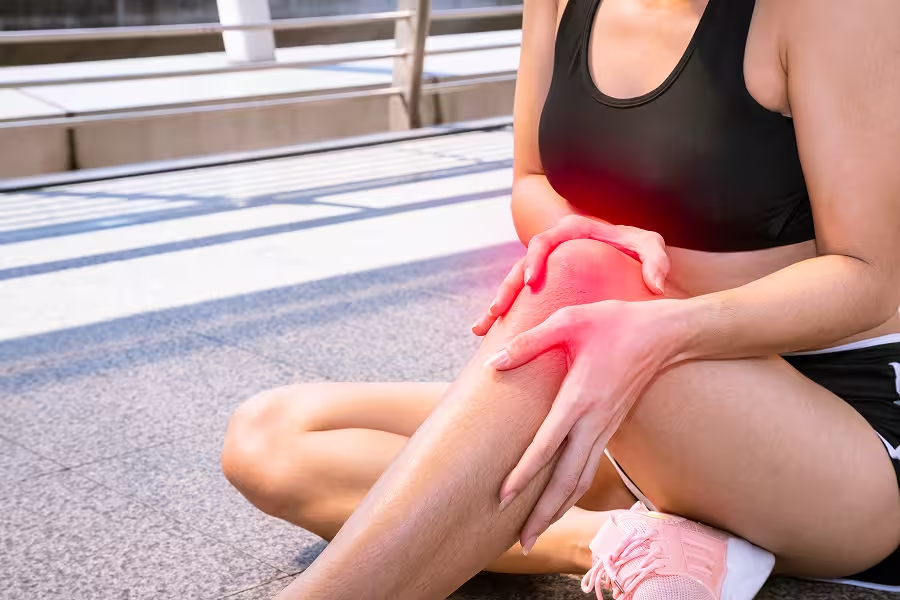
If your knee hurts when climbing stairs or your joints feel tight in the morning, this may be the first sign of joint aging. Today, joint calcification, which begins to occur in both advanced and young people, is a disorder popularly known as “joint aging”. It occurs with the wear over time of the cartilaginous tissue that protects the articular surfaces and reduces the quality of movement.
Joint aging develops when the bones come into greater contact with each other, as a result of which the cartilaginous tissue in the joints becomes thinner and deteriorates over time. This leads to pain, stiffness and restricted movement. The knee, hip, waist and neck are among the most commonly affected areas.
What are the symptoms?
- Increased joint pain during or after movement
- Feeling of tightness in the morning or when you remain motionless for a long time
- Loss of stiffness and flexibility in joints
- Swelling and tenderness
- Restriction of movement in advanced cases
How to Stop Joint Aging
Although it is not always possible to completely stop joint aging, it is possible to slow its progression. For this:
- Regular and correct exercise should be practiced (such as walking, swimming)
- Must pay attention to weight
- Joint friendly diet should be preferred (Omega-3, vegetable and protein with a predominance)
- Long periods of immobility should be avoided
- Avoid carrying heavy loads and movements that strain the joints
Who is at Risk?
- Overweight individuals
- Sedentary life
- Those with a history of sports injury
- Those with joint disorders in the family history
What are the methods of treatment?
The course of treatment varies depending on the level of the disease.
- Pain and inflammation can be controlled with drug treatments
- Physical therapy and rehabilitation practices can improve joint movement
- Supportive injections can be applied
- In advanced cases, surgical methods (such as prosthetic surgery) may be preferred
Doctors in our unit
Easily find the doctor who best suits your needs, take a healthy step with expert support.






FAQS
We have put together frequently asked questions so that we can help you better. You can easily find the information you are looking for below
Do you still have something on your mind?
We're here! You can contact us to help you as soon as possible.