

What is Osteoporosis (Bone Loss)? Symptoms and Treatment
Bones are not just rigid structures that support the body. They are among the living tissues that are constantly renewed throughout life.
.avif)


Publication Date:
1/8/2026 8:14 AM
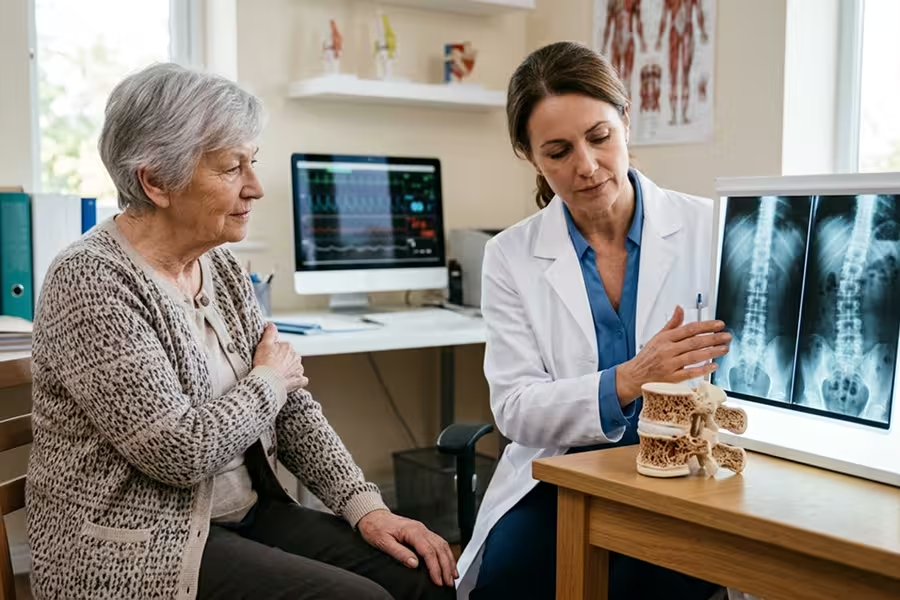
The skeletal system, which undertakes many important tasks from daily movements to protecting organs, can be affected by various changes as we age.
One of the most common of these changes is osteoporosis, commonly known as bone loss. This condition, which can progress silently, can reduce bone strength, increase fracture risk, and affect quality of life.
Many people might consider bone loss solely an issue of old age, but the process can begin earlier. Diet, hormonal changes, a sedentary lifestyle, genetic predisposition, and certain health problems can weaken bone structure over time. Especially because it can progress without causing noticeable symptoms, osteoporosis can be considered among the health issues requiring regular monitoring.
What is Osteoporosis?
In its most basic form, osteoporosis can be defined as a decrease in bone density and weakening of bone structure. Healthy bone tissue constantly renews itself. Old bone cells are broken down while new bone tissue forms. However, as we age, this balance can shift, and bone loss may occur faster than bone formation. As a result, bones can become more fragile.
In osteoporosis, the internal structure of bones becomes more porous. This condition can significantly increase the risk of fractures, especially in areas like the spine, hip, and wrist. Since the disease often progresses without causing noticeable pain, individuals may not realize they have bone loss for a long time.
The main conditions that can be observed in osteoporosis are as follows:
- Decreased bone density
- Easy fracture occurrence
- Height loss
- Increased spinal curvature
- Back and lower back pain
- Sensitivity during movement
The frequently asked question, "What is osteoporosis?" is not simply explained as "weakening of the bones." This is because it is considered a chronic bone metabolic disease that can affect the entire skeletal system. Bone tissue actively renews itself throughout life, and calcium, vitamin D, protein, hormonal balance, and physical activity can play important roles in this process.
Osteoporosis can develop when the bone formation process slows down or bone loss accelerates. The risk can increase in women, especially during post-menopause, due to changes in hormone levels. Additionally, bone density loss can also be observed in men with advanced age.
Factors that can affect the development of osteoporosis are as follows:
- Advanced age
- Vitamin D deficiency
- Smoking
- Excessive alcohol consumption
- Long-term corticosteroid use
- Genetic predisposition
How Does Bone Loss Occur?
Bone loss can develop due to an imbalance between bone formation and breakdown. In younger years, the body actively works to build strong bone structure. However, as we age, bone formation may decrease while the breakdown process can accelerate.
This process can begin earlier in some individuals. Particularly, inadequate nutrition, low physical activity, and hormonal changes can accelerate bone loss. Prolonged lack of sufficient sunlight exposure can also negatively affect bone structure in some people due to vitamin D deficiency.
Conditions that can accelerate the development of bone loss include:
- Prolonged immobility
- Inadequate protein intake
- Being excessively underweight
- Post-menopausal hormonal changes
- Lack of regular exercise
- Insufficient calcium intake
At What Age Does Bone Loss Begin?
Bone density typically reaches its peak in the late 20s to early 30s. After this period, bone loss may gradually begin. However, osteoporosis often becomes noticeable in older age. The risk can become particularly pronounced after the age of 50. In men, the process generally progresses more slowly, but bone density can still decrease with advanced age.
How Is Bone Loss Diagnosed?
Osteoporosis often progresses without noticeable symptoms. Many people only become aware of a decrease in bone density when a fracture occurs. Fractures resulting from minor falls, in particular, can be considered an important warning sign for osteoporosis.
In advanced stages, some physical changes may appear. Especially when there is weakening in the spinal bones, a decrease in height may be observed. A hunched appearance can develop in the back, and back pain may be felt when standing for long periods.
Symptoms of bone loss include:
- Back and lower back pain
- Height loss
- Easy fractures
- Poor posture
- Increased spinal curvature
- Sensitivity when moving
However, osteoporosis is not evaluated solely by symptoms. Bone mineral density measurement may be requested for a definitive assessment. Regular check-ups may be recommended, especially for postmenopausal women, elderly individuals, and those in risk groups.
Why Is Osteoporosis More Common in Women?
The incidence of osteoporosis in women can be higher compared to men. The primary reason for this is the decrease in estrogen hormone during the postmenopausal period. Estrogen hormone can play an important role in maintaining bone structure. The drop in hormone levels with menopause can contribute to accelerated bone loss in some individuals.
Conditions that can increase the risk of osteoporosis in women include:
- Entering menopause
- Low body weight
- Family history
What Is Postmenopausal Osteoporosis?
Postmenopausal osteoporosis is defined as a type of bone loss that develops in the postmenopausal period. With menopause, there is a significant decrease in estrogen hormone, which can accelerate bone breakdown. The spine and hip bones, in particular, can be more affected by this process.
Conditions to be aware of in postmenopausal osteoporosis are as follows:
- Sudden height loss
- Back pain
- Spinal fractures
- Posture changes
- Sensitivity during movement
Engaging in regular physical activity and consuming foods that support bone health can be recommended in the post-menopausal period. Taking early precautions is important for reducing the risk of fractures in later years.
What Is the Difference Between Osteopenia and Osteoporosis?
The fundamental difference between osteopenia and osteoporosis is explained by the degree of bone loss. Osteopenia is a condition where bone density is lower than normal but has not reached the advanced stage of osteoporosis. In a sense, osteopenia can be considered a pre-osteoporosis stage.
Bone loss may have begun in osteopenia, but the risk of fracture is considered lower than with osteoporosis. Precautions taken during this process contribute to reducing the risk of osteoporosis development in some individuals.
What Are the Risk Factors for Osteoporosis?
Daily lifestyle habits, hormonal changes, and certain health problems can also affect bone density.
The risk factors for osteoporosis are as follows:
- Menopause
- Smoking
- Low physical activity
- Long-term corticosteroid use
- Inadequate nutrition
- Vitamin D deficiency
- Genetic predisposition
A sedentary lifestyle, in particular, can cause bones not to bear enough weight. Since bone tissue can be supported by movement, regular exercise can be important for bone health.
Which Specialty Deals with Osteoporosis?
Rheumatology, physical therapy and rehabilitation, or endocrinology specialists treat it. Additionally, internal medicine specialists can perform the initial assessment. When necessary, bone density measurements are taken, and the individual's risk factors are evaluated. A detailed examination is particularly important for individuals with a history of fractures.
How Is Osteoporosis Treated?
The goals for osteoporosis treatment are to slow the progression of bone loss, preserve bone strength, and reduce the risk of fractures. The treatment process does not consist solely of medication. Diet, physical activity, lifestyle changes, and regular follow-up are all considered together, because bone health can be directly affected by daily lifestyle habits.
The treatment plan is shaped according to the individual's age, bone density level, fracture risk, and additional health conditions. While lifestyle changes are prioritized for some individuals, treatment may be necessary in other cases.
Key approaches in osteoporosis treatment include:
- Regulating calcium supplementation
- Supporting vitamin D levels
- Regular exercise
- Taking measures to reduce the risk of falls
- Bone density monitoring
- Administering medication when necessary
Regular physical activity is particularly important during the treatment process. Prolonged inactivity can lead to a more rapid weakening of bone and muscle structure. Therefore, it is recommended to create an exercise plan suitable for the individual's age and physical condition.
What Are Osteoporosis Medications?
Osteoporosis medications are designed to reduce bone loss and support bone strength. The type of medication used may vary depending on the individual's bone density level, age, fracture risk, and overall health status.
Medication groups used during the treatment process may include:
- Medications that reduce bone breakdown
- Treatments that support bone formation
- Calcium supplements
- Vitamin D supplements
- Hormonal treatment options
It is recommended that medication therapy be planned under a doctor's supervision. This is because the duration of use, dosage, and monitoring method for some medications are determined individually for each person. Regular medical check-ups are important to monitor the medication use process.
Furthermore, medication alone may not be sufficient. Dietary habits, exercise routines, and lifestyle adjustments to reduce the risk of falls are important components of treatment.
What Helps with Bone Loss?
Regular physical activity, adequate calcium intake, and supporting vitamin D levels can help preserve bone structure in some individuals.
Habits that support bone health include:
- Regular walking
- Performing light resistance exercises
- Maintaining a calcium-balanced diet
- Getting enough sunlight exposure
- Avoiding smoking
- Limiting excessive alcohol consumption
Foods that can support bone health include dairy products, leafy green vegetables, yogurt, kefir, almonds, fish, and eggs. However, a nutrition plan should be tailored to an individual's health status.
How to Treat Osteoporosis?
Osteoporosis is not a condition that disappears quickly. The goal in managing osteoporosis is to slow bone loss, preserve bone structure, and reduce the risk of fractures. Measures taken early can make a significant difference in later years.
Regular physical activity and a healthy diet play a crucial role in maintaining bone health. Especially in old age, falls can lead to serious fractures, so creating a safe movement environment at home is also important.
Why is Exercise Important for Osteoporosis?
Bone tissue is one of the structures that can be supported by regular movement. Therefore, regular physical activity plays an important role in osteoporosis management. Recommended exercises for osteoporosis include:
- Brisk walking
- Light resistance exercises
- Balance exercises
- Low-impact Pilates
- Muscle strengthening exercises
However, movements that pose a high risk of falling or place sudden stress on bones should be avoided. An exercise plan should be tailored to the individual's age and bone condition.
What to Consider to Prevent Osteoporosis?
It is advisable to develop habits that support bone health from a young age to help reduce the risk of osteoporosis, as a strong bone structure is supported throughout every stage of life. Individuals who have a history of frequent fractures, height loss, or prolonged back pain are particularly advised to consult a healthcare institution for expert evaluation.
FAQS
We have put together frequently asked questions so that we can help you better. You can easily find the information you are looking for below
Do you still have something on your mind?
We're here! You can contact us to help you as soon as possible.