

What Can Be Done to Reduce Heel Spur Pain?
Stinging, burning, or sharp pain felt in the heel area, especially with the first step, can make daily life challenging.


Publication Date:
3/6/2026 10:47 PM
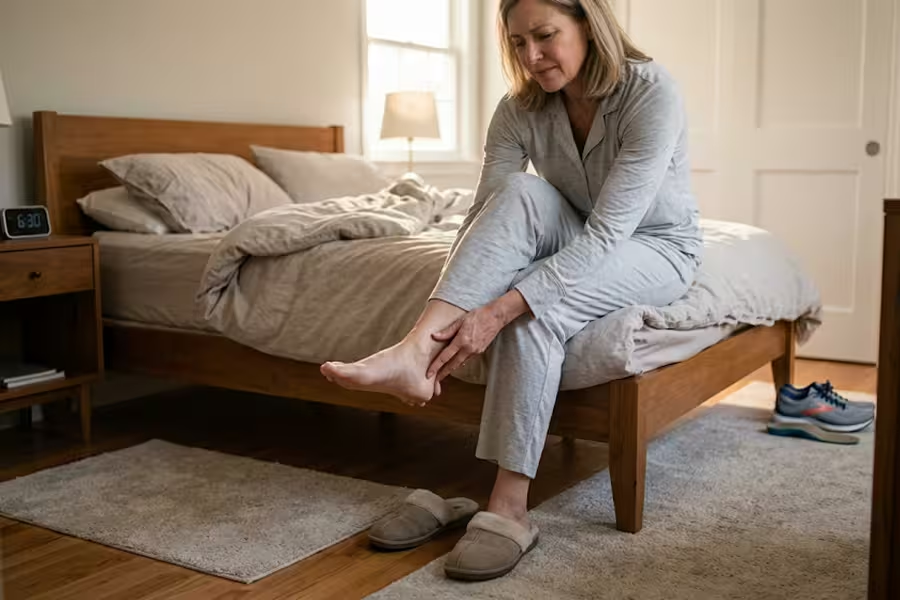
The discomfort felt especially when getting out of bed in the morning or standing up after sitting for a long time can impact the quality of life for many individuals.
This condition, commonly observed among the general public, is often associated with heel spurs. A fast-paced lifestyle and improper foot strike habits can exacerbate the pain.
Although heel spurs are often considered a problem felt only in the heel area, they can affect walking patterns over time. When a person unconsciously changes their foot strike to alleviate pain, stress can also develop in other areas. Therefore, the condition may not be limited to the heel and can impact daily movement patterns. Especially in cases that persist for a long time, the sensation of pain spreading can become more pronounced.
What Are the Symptoms of Heel Spur Pain?
Among the most common symptoms is sharp pain felt with the first steps in the morning. Standing for long periods or walking on hard surfaces during the day can also increase discomfort. Some people may describe the pain as if a nail is piercing their heel. Sensitivity felt especially in the bottom part of the heel can make daily movements difficult.
Symptoms of heel spur pain can be listed as follows:
- Intense pain sensation with the first steps in the morning
- Tenderness under the heel
- Stinging sensation when walking
- Increased foot fatigue at the end of the day
- Change in foot strike pattern
The intensity of the pain can vary from person to person. While some people feel discomfort only during certain movements, in some cases, even daily walking can become difficult. Symptoms can become more pronounced, especially when wearing shoes that do not provide adequate support.
What Helps with Severe Heel Spur Pain?
For individuals experiencing severe pain, even daily life activities can be problematic. Therefore, small changes that reduce pressure on the heel area become very important. Initially, resting the foot and avoiding movements that increase pain may be recommended. Opting for supportive shoe models instead of hard-soled shoes, in particular, can provide a sense of relief.
Methods that can help alleviate pain include:
- Taking short rest breaks during the day
- Using supportive insoles
- Applying cold compresses to the heel area
- Regularly performing stretching exercises
- Avoiding walking barefoot for extended periods
- Opting for soft-soled shoes
For some individuals, regular stretching exercises can provide a sense of relief. Stretching the calf and foot arch muscles, in particular, can reduce tension in the heel area. Additionally, weight management can help decrease the load on the foot.
How to Relieve Heel Spur Pain at Home?
Some supportive methods that can be applied at home help alleviate pressure in the heel area. Especially, the foot being constantly under load throughout the day can intensify the pain. Therefore, resting the foot at home and performing regular stretching exercises can make the process more comfortable.
Cold application stands out as one of the most frequently preferred methods. Applying an ice pack wrapped in a thin towel to the heel area for a few minutes can help reduce sensitivity. Additionally, gently rolling the sole of the foot over a tennis ball or a small massage ball is also soothing.
Methods that can be applied at home include:
- Regularly stretching the sole of the foot.
- Applying cold compresses.
- Avoiding overexerting the foot for long periods.
- Using supportive slippers indoors.
- Stretching the calf muscles.
- Avoiding walking on hard surfaces for extended periods.
Regularly performed small exercises can contribute to the foot feeling more comfortable over time. If the pain persists, it is recommended to consult a specialist.
Can Heel Spurs Cause Leg Pain?
Because heel pain can alter walking patterns over time, it can lead to increased strain on different muscle groups. When a person unconsciously tries to put less pressure on the painful area, leg muscles may work differently than usual. This can particularly cause a feeling of fatigue and tension in the legs by the end of the day.
While in some individuals the pain remains localized to the heel, in other cases, a discomfort that radiates up to the calf area may be experienced. This can be more noticeable, especially in people who stand for long periods. As incorrect gait habits persist, muscles can become more strained.
Can Heel Spurs Cause Calf Pain?
There is a strong connection between the sole of the foot and the calf muscles. When tension in the heel area increases, stiffness can also be felt in the calf muscles. Specifically, the stretching of the tissue called the plantar fascia can affect the muscles in the calf region.
Conditions that may be observed in the calf area include:
- Muscle stiffness
- Tightness
- Pain after long walks
- Morning stiffness
- A pulling sensation during movement
Therefore, instead of focusing solely on the heel, regularly stretching the calf muscles can be important. Calf stretches performed against a wall, in particular, can help reduce pressure on the bottom of the foot.
Can Heel Spur Pain Radiate to the Knee?
Pain originating in the heel can, over time, affect the knee area in some individuals. The primary reason for this is a change in gait. In people who try to alter their foot strike to reduce pain, the load on the knee joint can increase. Especially in cases that persist for a long time, strain may also be felt in the muscles around the knee.
An incorrect foot strike pattern can affect the entire posture system, including the knees. Therefore, in cases where pain persists for a long time, attention may need to be paid to general walking habits. The use of supportive footwear and the selection of appropriate insoles, determined with a doctor's guidance, become important at this point.
Can Heel Spur Pain Affect the Back?
When pain in the heel area persists for a long time, a person's posture and gait can change. Shifting the body's weight to different areas to reduce pain can, over time, also affect the muscles around the lower back and hips.
When the body's natural weight distribution is disrupted, the muscles around the spine may work harder than usual.
Effects that may be observed in the lower back area include:
- Increased lower back fatigue at the end of the day
- Discomfort after long walks
- Tightness around the hips and lower back
- Muscle stiffness due to poor posture
- A sensation of imbalance during movement
If several of these effects are observed, an orthopedic specialist should be consulted.
Does Heel Spur Cause Ankle Pain?
Changes in walking patterns due to heel pain can create different pressures on the ankle. Specifically, placing excessive weight on the outside or front of the foot can strain the muscles and ligaments around the ankle.
Some individuals may experience the following symptoms throughout the day:
- Ankle tenderness
- Feeling of fatigue after walking for extended periods
- Slight difficulty during movement
- Feeling of imbalance when stepping
Inappropriate footwear, in particular, can exacerbate this condition. Hard-soled shoes that do not adequately support the foot can increase pressure on the heel while also causing greater fatigue in the ankle area.
Does Heel Spur Cause Groin Pain?
When an advanced walking disorder develops, weight distribution may not be limited to just the feet and legs. Some individuals may also experience tension in the muscles around the hip and groin. Prolonged movement with an incorrect stepping pattern, in particular, can lead to compensatory mechanisms in various parts of the body.
While discomfort extending to the groin area may not directly originate from the heel, it can often be related to changes in walking patterns. Therefore, when pain radiates, evaluating the overall posture and movement patterns can be crucial.
How to Relieve the Pain, What Causes Heel Spur?
Heel spurs can typically develop from prolonged strain on the connective tissues in the sole of the foot. Specifically, continuous stretching of the tissue known as the plantar fascia can lead to tenderness over time. Factors that can exacerbate the pain include standing for extended periods on hard surfaces, excess weight, unsuitable footwear, and a high-paced lifestyle.
Risk factors may include:
- Standing for long periods at work
- Wearing unsupportive shoes
- Walking on hard surfaces
- Intense sports activities
- Increased load on the foot due to excess weight
- Tight calf muscles
Regular care habits become crucial for pain relief. Selecting the right supportive footwear, performing stretching exercises, and balancing daily strain can help manage the condition more comfortably.
What to Do for Heel Spur Pain?
One of the most crucial aspects of managing heel spur pain is not to neglect it. Even minor adjustments to daily habits can provide long-term relief. Specifically, consistently walking on hard surfaces or wearing unsupportive shoes can lead to chronic pain.
Here are some recommendations to consider in daily life:
- Choosing supportive footwear
- Performing regular stretching exercises
- Avoiding prolonged inactivity
- Reducing activities that strain the sole of the foot
- Paying attention to rest periods
- Seeking expert advice when necessary
Taking early precautions can both prevent the pain from intensifying and help maintain daily comfort.
How to Relieve Heel Spur Pain?
It may not be possible to identify a single method that completely eradicates heel spur pain. Regular care, selecting appropriate footwear, and maintaining the foot's load balance are crucial for managing the condition. Modifying daily habits, in particular, can contribute to more comfortable movement in the long run.
It's important to focus on sustainable solutions rather than just short-term relief. Regular stretching exercises, protecting the foot from excessive strain, and supporting the body's overall postural balance can help reduce pressure in the heel area. Small but consistent changes in daily life can gradually lead to a more comfortable movement experience.
Doctors in our unit
Easily find the doctor who best suits your needs, take a healthy step with expert support.








FAQS
We have put together frequently asked questions so that we can help you better. You can easily find the information you are looking for below
Do you still have something on your mind?
We're here! You can contact us to help you as soon as possible.