

Exercise Tips for Desk Workers
Modern work life makes spending most of the day at a desk almost inevitable.
.avif)


Publication Date:
8/8/2026 12:05 PM
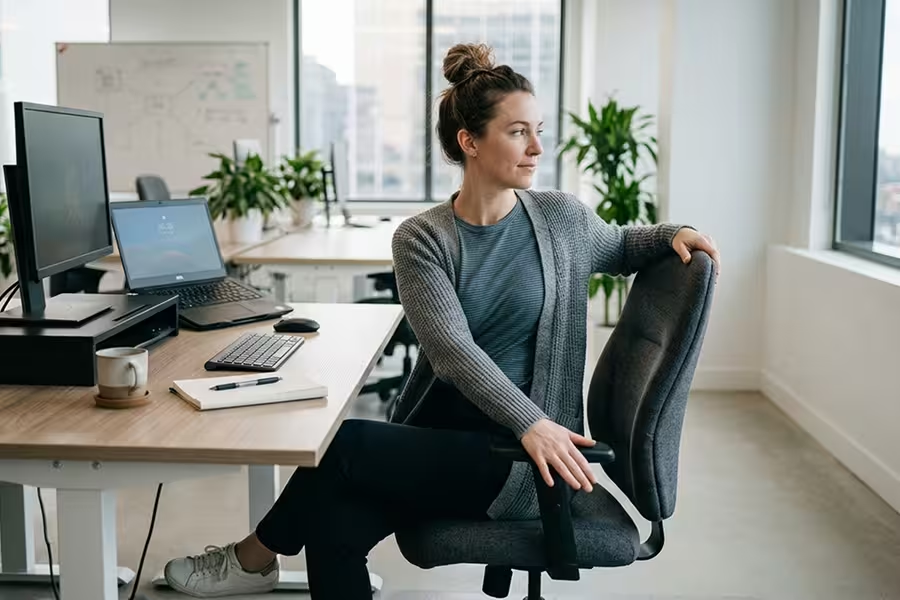
Sitting in the same position for extended periods can lead to numerous issues such as back and neck pain, low energy, difficulty concentrating, poor posture, and muscle stiffness. Remaining sedentary for hours in front of a computer, in particular, can eventually impact both physical and mental performance. For this reason, taking short but effective movement breaks throughout the day can make a significant difference.
For those who work at a desk, exercising, particularly desk neck exercises, doesn't solely mean going to the gym. Even small movements performed during work can support circulation, reduce muscle tension, and ease feelings of fatigue by the end of the day.
Furthermore, most of these exercises can be easily performed in the office, at home, or during breaks between meetings, without requiring any equipment. Regular movement can enhance focus and help preserve mental energy throughout the day.
Exercises to Reduce Neck and Shoulder Tension
The neck and shoulders are among the areas that bear the most strain when working at a desk. Leaning forward while working in front of a screen, in particular, can lead to muscle stiffness over time. Taking a few minutes for movement breaks throughout the day can help alleviate the pressure in these areas.
Neck Stretch
Slowly tilt your head towards your right shoulder and hold for 15 seconds. Then repeat the same movement to the left side. Be careful not to raise your shoulders during the exercise. This exercise can help relax the muscles around your neck.
Shoulder Rolls
Rotate your shoulders in a circular motion, first forward, then backward. Performing 10 controlled repetitions of this movement can reduce stiffness in the shoulder area.
Chin Tuck Exercise
To counteract the common forward head posture often seen with computer use, gently tuck your chin back. This movement can engage the neck muscles that support good posture.
Movements to Relieve Back and Lower Back Tension
Sitting for extended periods can create pressure, particularly in the lower back and back. The stiffness and tightness often felt at the end of the day can frequently stem from inactivity. Regular stretching can contribute to a more comfortable spine.
Seated Torso Twist
Sit upright in your chair and slowly twist your torso to the right. After holding for a few seconds, switch to the other side. This movement can help mobilize your back muscles.
Cat-Cow Stretch
Place your hands on your knees, first round your back, then arch your back and push your chest forward. This movement can help relax the muscles around your spine.
Seated Lower Back Stretch
Reaching your arms overhead and gently bending your torso to the side can stretch the muscles around your waist. This can be a very relaxing movement, especially after long meetings.
Exercises to Activate Leg and Hip Muscles
Sitting for hours can affect both your upper and lower body. Slowed circulation in the legs, in particular, can increase feelings of heaviness and fatigue. Even short bursts of movement throughout the day can help reduce these effects.
Seated Knee Lifts
While sitting in a chair, lift one knee up and hold for a few seconds, then switch to the other leg. This movement can gently work your abdominal and leg muscles.
Mini Squats
Standing up and performing controlled, shallow squat movements can help activate your leg muscles. Even a few repetitions throughout the day can support blood circulation.
Hand, Wrist, and Finger Exercises
Using a keyboard and mouse can create tension in your hands and wrists over time. Small exercises can be particularly beneficial on days with heavy typing.
Wrist Rotations
Gently rotate your wrists clockwise and counter-clockwise. This movement can support joint mobility.
Finger Stretches
Spread your fingers as wide as possible, hold for a few seconds, then make a fist. Repeating this movement can help relax your muscles.
Palm Stretch
Extend one hand forward and gently pull your fingers back with your other hand. This can be particularly relaxing during intense computer use.
Habits to Help Reduce Eye Strain
When working at a desk, not only your muscles but also your eyes can become intensely fatigued. Focusing on a screen for long periods can lead to problems like dry eyes and headaches, and desk exercises can help alleviate this.
The 20-20-20 Rule
Every 20 minutes, looking at a point approximately 20 meters away for 20 seconds can help your eyes rest briefly.
Conscious Blinking
When focusing on a screen, the number of blinks can decrease. Consciously blinking throughout the day can reduce the feeling of dryness.
Adjusting Screen Height
Having the monitor at eye level can help reduce neck and eye strain. Screens positioned too low or too high can negatively affect posture.
Small Habits to Encourage Movement at Your Desk
How you sit throughout the day is just as important as exercising for your body's overall comfort. Especially for those who work at a desk, poor sitting habits can lead to serious discomfort in the neck, back, and lower back over time. Constantly leaning forward, tensing your shoulders, or staying in the same position for long periods can cause muscles to be under excessive strain. This can not only create physical pain but also increase mental fatigue felt at the end of the day.
Even seemingly small details become quite important for establishing a proper work setup. Incorrect monitor placement can cause the neck to constantly bend downwards, while inappropriate chair height can increase pressure on the lower back. Especially during long working hours, creating an ergonomic setup and performing neck exercises for desk workers can significantly impact daily comfort.
Here are some points to consider for a healthier sitting posture:
- Feet flat on the floor
- Knees positioned at approximately a 90-degree angle
- Monitor at eye level
- Shoulders relaxed, not tensed
- Elbows supported when using a keyboard and mouse
- Ensuring lumbar support
Using a supportive chair or adding small ergonomic aids can make the work experience more comfortable. For example, using a lumbar support cushion can help maintain the natural curve of the spine. Similarly, using a laptop stand to prevent the screen from being too low can reduce pressure on the neck.
The following equipment can also help make your workspace more ergonomic:
- Adjustable office chair
- Laptop riser stand
- Ergonomic mouse and keyboard
- Wrist rest pad
- Footrest
- Lumbar support pillow
In the long run, poor posture can lead not only to muscle pain but also to issues like distraction, low energy, and decreased work efficiency. Therefore, consciously managing your sitting posture throughout the day becomes crucial. Even small ergonomic adjustments can help you feel much more comfortable by the end of the day.
Why Is Posture So Important When Working at a Desk?
Proper sitting posture is as important as exercise. Incorrect chair height, poor monitor placement, or constantly slouching can lead to chronic pain over time. Keeping your feet flat on the floor, the screen at eye level, and your shoulders relaxed can create a healthier work setup.
Using a supportive chair, utilizing cushions that support the lumbar curve, and positioning the keyboard at elbow height can enhance work comfort. Since poor posture can also increase feelings of mental fatigue, an ergonomic setup becomes crucial.
Why Can Moving During the Day Boost Energy?
While inactivity often increases feelings of fatigue, short bursts of movement, conversely, can boost energy. Active muscle engagement can support circulation and help you feel more mentally alert. Especially during afternoon energy slumps, even a few minutes of stretching can improve focus.
Regular movement not only provides physical comfort but can also positively impact work motivation and productivity. Incorporating short exercise breaks throughout the day can, over time, become one of the most practical ways to feel much better.
FAQS
We have put together frequently asked questions so that we can help you better. You can easily find the information you are looking for below
Do you still have something on your mind?
We're here! You can contact us to help you as soon as possible.