

What is PCOS (Polycystic Ovary Syndrome)?
PCOS is a chronic endocrine system disease that occurs as a result of impaired hormonal balance in women.



Publication Date:
8/8/2026 12:05 PM
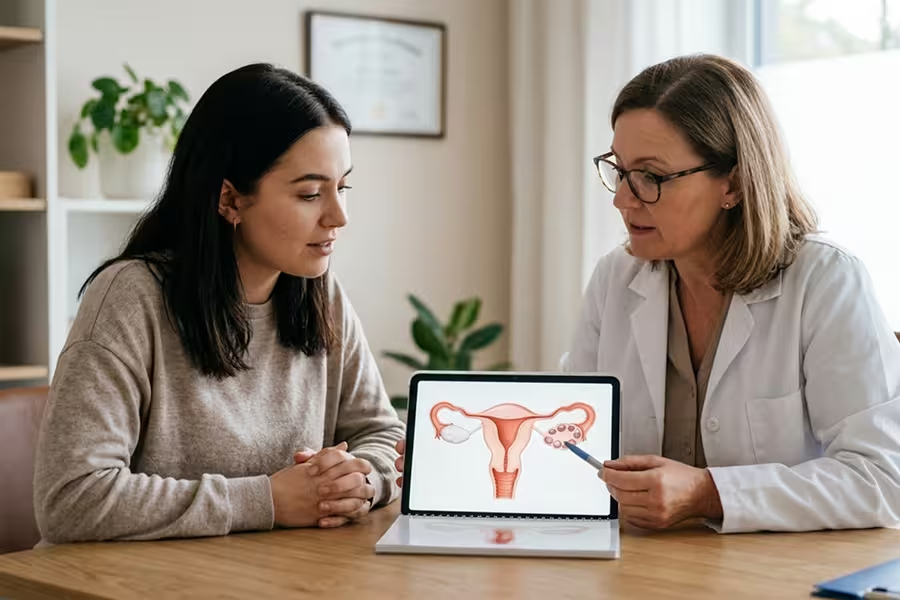
Characterized by ovulation irregularities, this syndrome is associated with the formation of a large number of small cysts in the ovaries.
But not every ovarian cyst means PCOS. At the heart of the disease are changes in hormone levels. Excessive secretion of male hormones, in particular, called androgens, can negatively affect menstrual patterns and the ovulation process.
Polycystic Ovary Syndrome is not limited to female diseases only. It can also have an impact on metabolism, insulin resistance, and cardiovascular health.
What Are the Symptoms of PCOS?
Symptoms of PCOS can vary from person to person. Some women may experience mild symptoms, while others may experience more pronounced complaints that affect the quality of life.
Menstrual Irregularity
One of the most common symptoms of PCOS is menstrual irregularity. It is common for menstruation to appear at long intervals, delay or complete cessation.
Excessive Hairiness
Male hair growth can be observed in the area of the face, chin, chest, abdomen and back. This condition is associated with an increase in hormone levels.
Weight Gain and Struggle to Lose Weight
Obesity, especially around the abdomen, can be noted. Weight control can be difficult due to insulin resistance.
Acne and Skin Problems
Oily skin, acne and acne problems can occur due to hormonal changes.
Hair Loss
In some women, male-type hair loss and thinning of the hair can be observed.
Strain in Pregnancy
Due to ovulation irregularities, some PCOS sufferers may have difficulty achieving pregnancy.
Why Does PCOS Occur?
Although the exact cause of Polycystic Ovary Syndrome is not fully known, some factors are thought to play a role in the development of the disease.
Genetic Predisposition
People with a family history of PCOS have a higher risk of developing the disease.
Insulin Resistance
Insulin resistance is one of the factors that play an important role in the development of PCOS. High insulin levels can disrupt hormone balance.
Hormonal Imbalances
High levels of androgen hormones can cause ovulation problems.
Sedentary Life and Eating Habits
Irregular diet and lack of physical activity can lead to exacerbation of symptoms.
How is PCOS diagnosed?
The diagnosis of PCOS is made as a result of evaluations by the obstetrician and obstetrician.
In the process of diagnosis:
Menstrual order is evaluated
Hormone tests are performed
Ultrasound examination is applied
Insulin resistance and blood sugar levels are checked
Early diagnosis is very important in terms of reducing the risk of diabetes and heart disease that can occur later in the process.
How is PCOS Treatment Done?
Treatment for PCOS is tailored to the individual. The goal in treatment is both to reduce symptoms and to improve the patient's quality of life.
Healthy Eating and Exercise
Regular exercise and a healthy diet form the basis of PCOS treatment. Achieving weight loss can help restore hormone balance.
Drug Treatment
With drug treatments carried out under the control of a doctor:
Menstrual order can be provided
Ovulation can be supported
Insulin resistance can be reduced
Puffiness and acne can be controlled
Pregnancy Treatments
Different methods of treatment that promote ovulation can be applied in patients planning pregnancy.
What Happens If PCOS Is Not Treated?
Untreated PCOS can cause serious health problems in the long run.
Among them are:
Type 2 diabetes
High blood pressure
Cardiovascular diseases
Sleep apnea
Infertility
Thickening in the inner layer of the uterus
can be located.
That is why it is very important to seek specialist support when symptoms are noticed.
Doctors in our unit
Easily find the doctor who best suits your needs, take a healthy step with expert support.







FAQS
We have put together frequently asked questions so that we can help you better. You can easily find the information you are looking for below
Do you still have something on your mind?
We're here! You can contact us to help you as soon as possible.