

What Is a Lumbar Hernia?
Lumbar hernia is a disorder that occurs as a result of the herniation of these discs located between the vertebral bones in the waist and acting as a shock absorber.
.avif)


Publication Date:
8/8/2026 12:05 PM
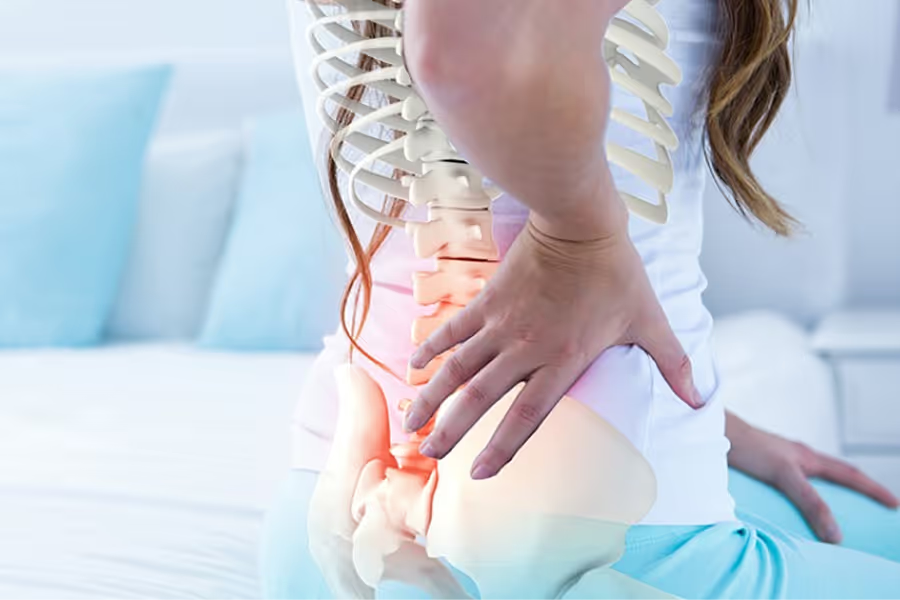
Information About Lumbar Hernia
Lumbar hernia is a condition when the discs (soft cartilaginous tissues) between the vertebrae protrude and press on the nerves. This can lead to pain in the back and lower back, numbness or weakness in the legs. Lumbar hernia can occur at any age, but occurs more often, especially in the range of 30—50 years.
Basic Symptoms:
- Waist and back pain (increasing with movement)
- From the hip spreading to the legs sharp pain (sciatica)
- On the legs and feet numbness, tingling or felting
- In the respective muscle groups powerlessness
- Difficulty walking and standing in advanced cases
Diagnosis and Treatment Options
The diagnosis of lumbar hernia is made by means of imaging methods such as MRI (Magnetic Resonance) or X-rays if necessary according to the degree of symptoms by a specialist doctor and according to the degree of symptoms. Treatment is determined individually, based on the degree of hernia, the age of the patient and the severity of the symptoms:
Treatment Methods:
- Hernias of mild and moderate severity: It is usually treated with non-surgical methods. This process is followed by medication (pain relievers, muscle relaxants), short rest, physical therapy practices and special exercises.
- Hernias that do not respond to severe or conservative treatment: Emergency or planned surgical intervention may be required in cases such as severe pain does not pass, progressive muscle weakness or problems with urination/large abscess control (Cauda Equina Syndrome).
Recommendations for Maintaining Waist Health
To reduce the risk of lumbar hernia and prevent the progression of the existing hernia, attention should be paid to in everyday life:
Practical Tips:
- Will strengthen the muscles of the abdomen and back regular exercise Do (swimming, pilates, walking).
- Bending your knees when lifting heavy loads correct technique Use it; put the load on your legs, not your waist.
- In the office environment or when driving avoid sitting still for a long time, often get up and do stretching movements, and sitting posture (posture) pay attention.
- Reduce the load on the lumbar vertebrae, maintaining your ideal weight.
Nota: In our hospital, our experienced orthopedic specialists in spine health and lumbar hernia offer specific diagnosis, treatment and rehabilitation plans for each patient.
FAQS
We have put together frequently asked questions so that we can help you better. You can easily find the information you are looking for below
Do you still have something on your mind?
We're here! You can contact us to help you as soon as possible.