

How Is a Meniscus Tear Treated?
The knee joint is one of the most important joints in the body, bearing the weight of the body during many of the movements we perform throughout the day.
.avif)


Publication Date:
14/9/2026 9:46 AM
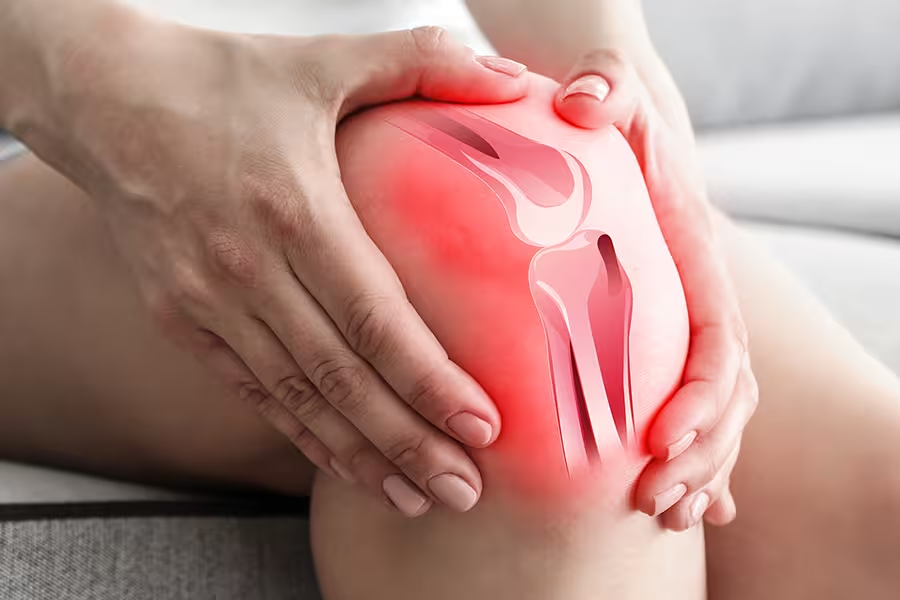
The menisci are among the structures that contribute to the healthy functioning of the knee during activities such as walking, climbing stairs, squatting, and sports. These specialized tissues located inside the knee joint help balance the load between the bones and reduce the pressure generated during movement. A meniscus tear usually occurs as a result of the knee suddenly twisting, being strained, or bending. Additionally, wear and tear in the meniscus tissue that occurs with age can also lead to a tear over time. Pain in the knee, swelling, catching during movement, and difficulty in fully extending or bending the knee are among the common symptoms of a meniscus tear.
How is a Meniscus Tear Diagnosed?
When a meniscus tear is suspected, the patient's complaints and how the injury occurred are evaluated first. During the knee examination, the area of pain, joint movements, and knee functions are assessed. When deemed necessary, the doctor may utilize an MRI scan. Thanks to an MRI, the meniscus tissue can be evaluated in detail, and information can be obtained about whether there are other injuries, such as ligament or cartilage problems in the knee. However, seeing a tear in the meniscus on an imaging result does not automatically mean that surgery is required. The treatment decision must be evaluated in conjunction with the patient's complaints and examination findings.
Can a Meniscus Tear Be Treated Without Surgery?
Yes, some meniscus tears can be treated or managed without surgery. Especially in cases where symptoms are mild, there is no significant locking in the knee, and the tear does not require surgical intervention, conservative treatment methods can be considered first. During this process, reducing activities that cause excessive strain on the knee for a period, controlling pain and swelling, and applying physical therapy in suitable patients may be considered. The goal of physical therapy is not just to reduce existing pain. Strengthening the muscles around the knee, maintaining joint mobility, and enabling the knee to be used more stably in daily activities are also important parts of the treatment.
When Is Meniscus Surgery Necessary?
Not everyone with a meniscus tear needs surgery. However, surgical treatment may be a more appropriate option for some tears. Surgical treatment may be considered, especially if there are mechanical symptoms such as catching or locking in the knee in addition to persistent pain, if daily life is significantly affected, or if symptoms persist despite appropriate non-surgical treatments. Furthermore, in some traumatic tears occurring in young and active individuals, it may be possible to repair the meniscus. The goal here is to preserve as much healthy meniscus tissue as possible.
How Is Meniscus Surgery Performed?
Arthroscopic surgical methods are frequently used in meniscus surgeries. In this method, the knee joint is accessed through small incisions, and the structures inside the joint are viewed with the help of a special camera. Depending on the condition of the tear, the meniscus can be repaired, or the damaged section that cannot be repaired can be removed in a limited manner. In cases where the meniscus can be preserved, repair may be preferred. However, not every tear is suitable for stitching. The location, shape, size of the tear, and the general condition of the meniscus tissue play a role in determining the surgical method.
What Is Meniscus Repair?
The goal of meniscus repair is to preserve the torn meniscus tissue as much as possible. In tears with suitable characteristics, the meniscus can be repaired using special techniques. Preserving the meniscus tissue is important for long-term knee health. Therefore, in patients requiring surgical treatment, it is evaluated whether methods that allow for the preservation of the meniscus are appropriate.
When Is the Removal of a Part of the Meniscus Performed?
Due to the structure of some tears, it may not be possible to repair the meniscus. In such cases, the removal of the torn and problematic section may be considered. During this procedure, the goal is to preserve as much healthy meniscus tissue as possible. Which method will be applied can be determined based on evaluations made during the surgery and the patient's current condition.
Recovery After Meniscus Surgery
The recovery process after surgery varies depending on the type of procedure performed. In patients who have undergone meniscus repair, the rehabilitation process may be longer as time must be allowed for the tissue to heal. After some operations where only the damaged part of the meniscus is removed, a return to daily activities can occur in a shorter time. Physical therapy and rehabilitation play an important role in regaining knee movements and strengthening muscles after surgery. The patient's adherence to the recommendations given by the doctor and physiotherapist contributes to the healthy progression of the recovery process.
What Should Be Considered After a Meniscus Tear?
People experiencing knee pain should avoid movements that specifically increase the pain. Sudden twisting movements, deep squatting, and activities that place high loads on the knee can cause symptoms to increase in some patients. In the event of significant swelling in the knee, severe pain, limited movement, or locking, an expert evaluation should not be delayed. The expert orthopedic staff at Central Hospital helps determine the appropriate treatment approach by evaluating the complaints, examination findings, and necessary imaging results of patients suspected of having a meniscus tear.
Doctors in our unit
Easily find the doctor who best suits your needs, take a healthy step with expert support.








FAQS
We have put together frequently asked questions so that we can help you better. You can easily find the information you are looking for below
Do you still have something on your mind?
We're here! You can contact us to help you as soon as possible.