

Pediatric Surgery and Urology
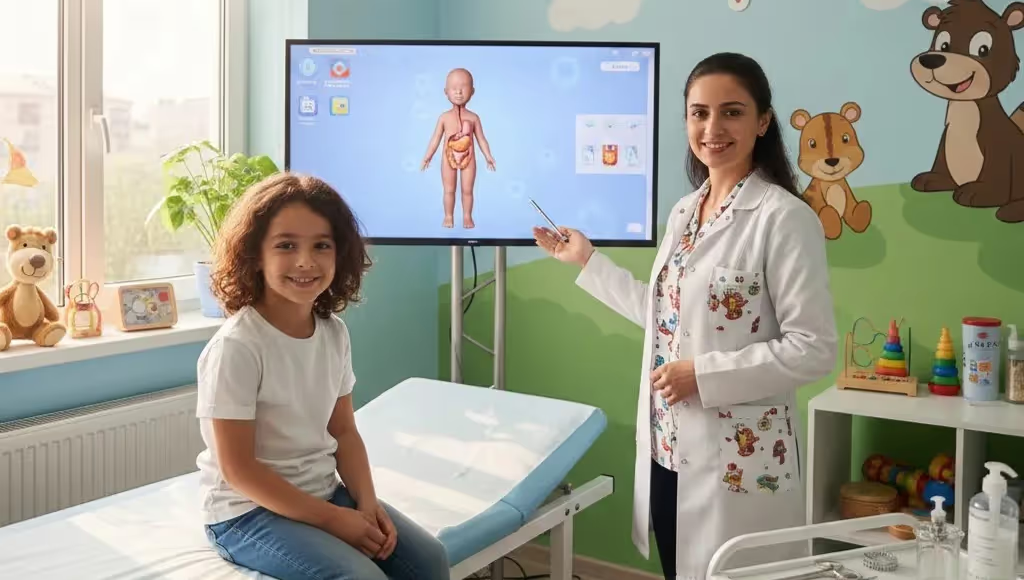
Pediatric surgery is a special branch of medicine based on the anatomical, physiological and psychological structures of children from birth to 18 years old, which are completely different from adults. In our hospital, all surgical processes, from the smallest premature babies to teenagers who have stepped into adulthood, are managed with the most advanced possibilities of modern medicine.
Neonatal and Congenital Anomalies
We quickly intervene in anomalies detected in the womb or that occur immediately after birth so that babies can have a healthy start in life.
- Airway and Esophagus: Repair of vital conditions such as esophageal atresia (absence of esophagus) and tracheoesophageal fistula.
- Diaphragm and Thoracic Cage: Correction of diaphragmatic hernias (CDH), eventration and thoracic deformities (Pectus excavatum/carinatum).
- Intestine and Abdominal Wall: Surgical treatment of obstructions in the gastrointestinal tract (atresia) with abdominal wall defects (omphalocele, gastroschisis).
- Hirschsprung and Anorectal Malformations: Congenital absence of anus or management of intestinal nervous system disorders with advanced surgical techniques.
Pediatric Urology: Functional and Aesthetic Repair
Timely treatment of urological problems directly affects the future reproductive and excretory health of the child.
- Undescended Testicles: Reduction of the testicles into the bag by both open and laparoscopic methods, ideally from the 6th month, to prevent the risk of infertility and cancer.
- Hypospadias (Sunnah of the Prophet): Aesthetic and functional correction of the condition that the urinary hole is lower than it should be, between 6-12 months.
- Vesicureteral Reflux (VUR): Inhibition of urine leakage (reflux), which can lead to kidney failure.
- Routine Operations: Circumcision, hernia repair and hernia (hydrocele) operations.
Gastrointestinal (Digestive System) Specialization
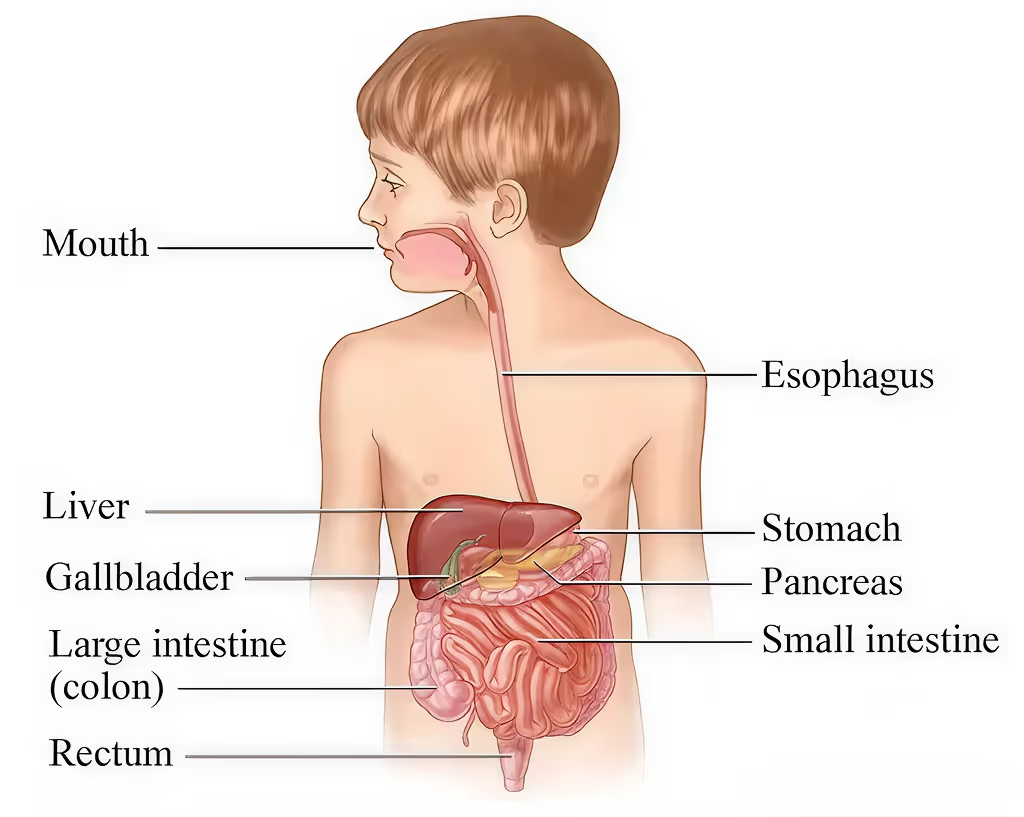
Emergency or chronic conditions that proceed with abdominal pain and vomiting in children are solved by advanced methods:
- Closed (Laparoscopic) Appendectomy: Rapid recovery with minimal incision in cases of acute appendicitis.
- Pile Stenosis: Treatment of gastric outlet stenosis (pyloromyotomy), which causes vomiting in spurt-style vomiting in infants.
- Reflux Surgery: “Nissen Fundoplication” in severe cases of reflux that cannot be controlled with medication.
- Hepatobiliary Surgery: Biliary tract atresia, cysts and surgical diseases of the liver.

Pediatric Oncological Surgery: Multidisciplinary Strength
In cancer surgery, we demonstrate organ-preserving and tumor-oriented approaches in coordination with other branches.
- Neuroblastoma: Surgery of tumors originating from the nervous system.
- Wilms Tumor: Treatment of the most common kidney tumor of childhood.
- Hepatoblastoma: Surgical interventions for liver tumors.
- Germ Cell Tumors and Sarcomas: Cleansing soft tissue and cell-borne tumors.

Minimally Invasive Surgery: Small Incision, Great Comfort
In our hospital, we primarily use laparoscopy and thoracoscopy (VATS) methods.
- Advantages: Less pain, lower risk of infection, minimal surgical trace and faster discharge from hospital.
- Applications: Closed hernia repairs, spleen surgeries and lung-thoracic cage surgeries.

Trauma and Advanced Functional Treatments
- Organ Protective Trauma Management: We prioritize non-surgical, organ-preserving treatment plans for liver and spleen injuries.
- Chronic Constipation and Incontinence: We offer functional solutions such as anorectal manometry, TENS (electrical stimulation) and Botulinum toxin applications in treatment-resistant cases.
Pediatric Surgery and Urology Applications
1. Urine and Gaita (Poop) Incontinence
Abduction problems in children in the period after toilet training are an important condition that affects not only physical, but also social and psychological development.
Day and Night Urinary Incontinence (Enuresis): Individual treatment is planned by examining bladder capacity, hormonal balances or bladder-brain coordination.
Gaita Abduction (Encopresis): It is often associated with chronic constipation or impaired coordination of the pelvic floor muscles.
2. Chronic Constipation (Constipation) Management
Frequent constipation in childhood can lead to intestinal enlargement and abduction problems when not intervened early.
Diagnosis and Follow-up: It is aimed at regulating eating habits, establishing a toilet routine and, if necessary, restoring intestinal health with medication support.
3. Inguinal Hernia: Inguinal Hernia Repair
It is one of the most frequently performed operations in urological and general surgery routines. Inguinal hernia in children does not pass by itself and requires surgical repair.
Open Surgical Method: It is a classic and reliable method, in which the repair is completed with a small incision.
Laparoscopic (Closed) Surgery: This method, made with the help of a camera, from much smaller entrances, is preferable, especially in case of suspicion of a bilateral hernia or when it is desired to speed up the healing process.
4. Pelvic Floor Rehabilitation
Incontinence of urine and feces is one of the most effective methods of non-surgical solution in children experiencing constipation or urination disorders.
Muscle Awareness: It covers “biofeedback” and special exercise programs that teach the pelvic floor muscles (the muscles at the base of the pelvis) to contract and relax correctly.
Target: It is to restore the natural excretory cycle without drugs and without surgery.
Doctors in our unit
Easily find the doctor who best suits your needs, take a healthy step with expert support.
FAQS
We have put together frequently asked questions so that we can help you better. You can easily find the information you are looking for below
Do you still have something on your mind?
We're here! You can contact us to help you as soon as possible.
Start your healthy life with us today.
With our expert staff in the field, we provide you and your loved ones with the best healthcare.