

What is Tennis Elbow (Lateral Epicondylitis)? Symptoms and Treatment
People who frequently use their arm and hand movements can develop pain around the elbow over time. Especially repetitive gripping, carrying, squeezing, or wrist-straining movements can cause strain in the tendons around the elbow.


Publication Date:
3/6/2026 10:47 PM
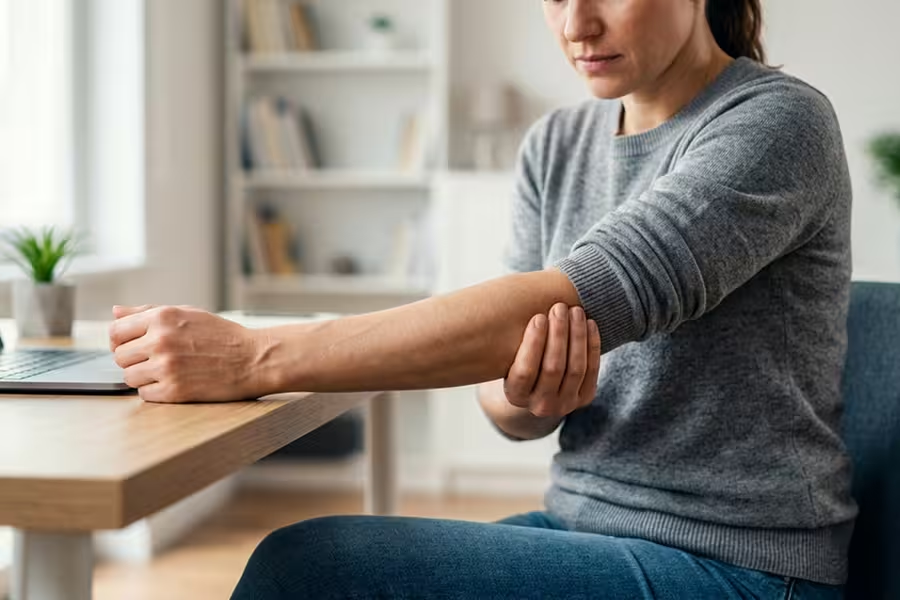
Lateral epicondylitis, commonly known as “tennis elbow,” is also one of the common muscle-tendon problems associated with this condition.
Although its name is associated with the sport of tennis, it is not seen only in athletes. It can develop in many people, from computer users to repair workers, from those doing intensive housework to musicians.
Pain on the outside of the elbow is often mild at first. However, as the condition progresses, even daily activities like lifting a glass, turning a doorknob, or carrying a bag can cause discomfort. Especially strenuous movements that continue for a long time can cause small strains in the tendon tissue, and over time, the pain can become chronic.
What is Tennis Elbow?
Tennis elbow is described as the straining and irritation of the tendons on the outside of the elbow. This condition develops particularly in the area where the muscles controlling wrist and finger movements attach to the elbow.
Constantly repetitive movements can cause small strains in the tendon structure. This can lead to pain, tenderness, and loss of strength over time. Tennis elbow often progresses slowly and may initially manifest as mild discomfort felt only during specific movements.
Common symptoms of tennis elbow include:
- Pain on the outside of the elbow
- Decreased grip strength
- Tenderness when gripping
- Difficulty or strain when carrying
- Pain with wrist movements
- Discomfort radiating to the outside of the arm
At the root of the question “How does tennis elbow occur?” lies the overuse of tendons. When the muscles and tendons around the elbow are constantly strained, micro-level strains can occur in the area. This can lead to the development of tenderness in the tendon structure over time.
Tennis elbow does not only occur due to sports. Many daily activities can also trigger the condition.
Situations that can pose a risk include:
- Constant computer use
- Heavy lifting
- Frequent use of hand tools like screwdrivers
- Prolonged mouse use
- Repetitive wrist movements
- Intense racket sports
Movements performed with incorrect technique can increase pressure on the tendon. Strenuous activities continued without sufficient rest can prolong the healing process.
What Are the Symptoms of Tennis Elbow?
Symptoms often manifest as pain felt on the outside of the elbow. Initially, pain may only be felt during specific movements, but over time, it can affect daily activities. Complaints may become more pronounced, especially during movements requiring gripping.
Symptoms of tennis elbow include:
- Tenderness on the outside of the elbow
- Pain when shaking hands
- Difficulty lifting a cup
- Pain radiating to the outside of the arm
- Discomfort during wrist movements
- Decreased grip strength
In some individuals, pain is only felt during movement, while in other cases, it may persist even at rest. Prolonged strain, in particular, can lead to a worsening of symptoms. Some people with tennis elbow may also experience numbness in their fingers. However, this condition may not be observed in every patient. Specifically, tension in the muscle and tendon structures around the elbow can cause a radiating discomfort in the arm for some individuals.
Conditions that may accompany numbness include:
- Pain radiating along the arm
- Reduced hand strength
- Tingling sensation in the fingers
- Sensitivity after prolonged use
However, in cases of significant numbness, different nerve compressions or neurological conditions may also need to be evaluated. Therefore, expert assessment is crucial for persistent symptoms.
How Does Tennis Elbow Heal?
During the recovery process for tennis elbow, reducing movements that strain the elbow can be important, alongside expert evaluation. Continuously performing repetitive strenuous movements can prolong the healing process of the tendons.
Methods that can support the healing process include:
- Resting the elbow
- Reducing strenuous movements
- Applying cold compresses
- Performing gentle stretching exercises
- Using a supportive elbow brace
- Undergoing physical therapy
For some individuals, taking precautions early on contributes to faster treatment of symptoms. However, in cases of prolonged neglect, the process can be longer.
Exercises for Tennis Elbow
Exercises for tennis elbow can help strengthen the muscles around the tendon in a controlled manner. However, it is important that exercises are performed in a controlled way and do not increase pain:
- Gentle wrist stretches
- Exercises to relax forearm muscles
- Controlled gripping exercises
- Light resistance exercises
Performing exercises with incorrect technique or excessive intensity can lead to increased pain in some individuals. Therefore, especially for persistent complaints, it is important to proceed with expert advice.
The answer to the question 'Does tennis elbow go away?' can be positive in many cases. With appropriate rest, lifestyle adjustments, and supportive treatment methods, symptoms can improve. However, if movements that strain the tendon area continue, the process can be prolonged. Taking precautions, especially in the early stages, can positively affect the healing process.
If the pain persists for a long time, physical therapy or further evaluations may be necessary. The question 'Does tennis elbow heal?' is also frequently researched by individuals who have been experiencing pain for a long time. Many people can experience significant relief with appropriate treatment and rest. However, the healing process can vary from person to person.
Factors that can affect healing include:
- Whether the tendon strain continues
- Daily activity intensity
- Regular adherence to treatment
- Muscle strength and overall arm use
- Duration of symptoms
How Long Does Tennis Elbow Take to Heal?
There is no definitive healing period for tennis elbow, as the process can vary depending on the individual's lifestyle and the level of strain on the tendons. Persistent tennis elbow can often be related to ongoing stress on the tendon. If a person continues to strain their elbow in daily life, the healing process may be interrupted.
In cases of prolonged symptoms, the following situations are evaluated:
- Incorrect movement habits
- Repetitive strains
- Insufficient rest
- Muscle imbalances
- Different elbow problems
Which Doctor Treats Tennis Elbow?
The orthopedics or physical therapy and rehabilitation department handles it. In some cases, sports medicine specialists may also be involved. During the examination, elbow movements are assessed, and imaging methods may be utilized if necessary.
How Long Does Tennis Elbow Surgery Take?
Surgical treatment may not be necessary for everyone. However, in cases that persist for a long time and do not improve with other treatment methods, surgery may be considered. Although the duration of surgery can vary depending on the method applied, the procedure can often be completed quickly.
The cost of tennis elbow surgery can also vary depending on the method to be applied, the hospital, the surgical technique, and additional treatment processes. Therefore, for precise pricing information, it is necessary to obtain direct information from healthcare institutions. When creating a treatment plan, non-surgical methods are evaluated first, because many individuals can experience significant relief with rest, physical therapy, and exercise programs.
Doctors in our unit
Easily find the doctor who best suits your needs, take a healthy step with expert support.








FAQS
We have put together frequently asked questions so that we can help you better. You can easily find the information you are looking for below
Do you still have something on your mind?
We're here! You can contact us to help you as soon as possible.