

What is Hantavirus? Symptoms, Ways of Transmission and Methods of Prevention
Hantavirus Infection, the name of which has begun to be heard more often in recent years, is a serious viral infection that can be transmitted from rodents to humans.



Publication Date:
8/5/2026 3:20 PM
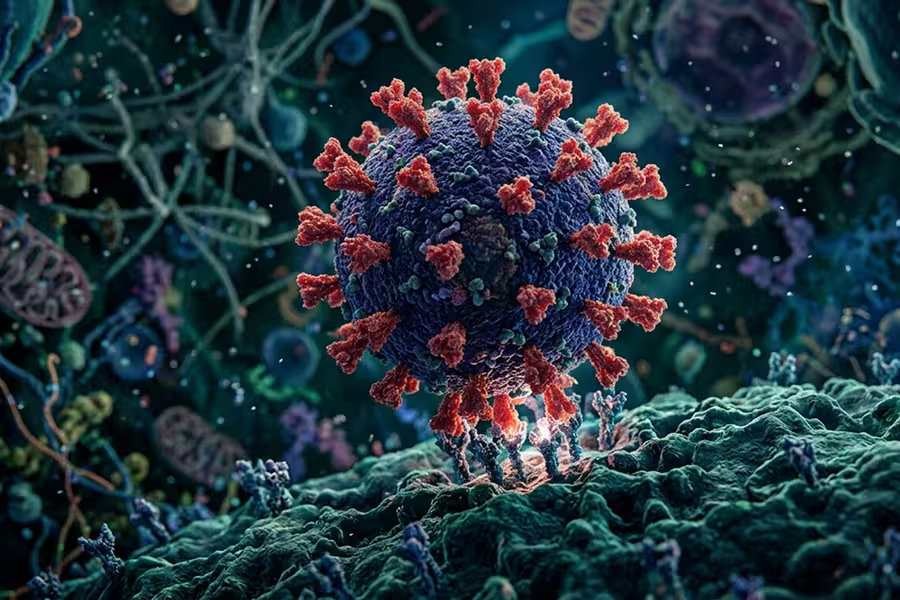
Hantavirus Infection, the name of which has begun to be heard more often in recent years, is a serious viral infection that can be transmitted from rodents to humans. This disease, which can pose a risk, especially for people in areas inhabited by rodents such as mice and rats, can cause serious respiratory problems and, in some cases, vital complications when not noticed early on. That is why it is of great importance to be aware of hantavirus, to recognize the symptoms and to know the methods of prevention.
What is Hantavirus?
Hantavirus is a group of viruses that can be found naturally in rodents and can infect humans in various ways. The disease most often occurs in environments where urine, feces or saliva of infected rodents are present. The virus can enter the human body as a result of mixing and inhaling these particles into the air.
There are different types of hantavirus and the effects of the disease can vary depending on the geographical area in which it is seen. Some species affect the kidneys, while others can form accompanying tables with severe respiratory failure. Hantavirus Pulmonary Syndrome in particular is a serious clinical picture that affects the lungs and may require intensive care.
How is Hantavirus Transmitted?
The most important source of transmission of hantavirus is rodents. The risk of infection occurs when the feces, urine, and saliva of virus-carrying mice or rats spread to the environment. Especially long closed warehouses, basements, barns, farm buildings and unused houses are among the risky areas.
Sweeping or lifting dried feces into the air during cleaning can lead to the removal of the virus through respiration. In addition, taking the hands to the mouth, nose or eyes after contact with infected surfaces also poses a risk in terms of contagion. Rarely, smears can be seen with rodent bites.
Human-to-human transmission of hantavirus is extremely rare. Therefore, the main approach to the prevention of the disease is to reduce contact with rodents and increase hygiene measures.
What Are the Symptoms of Hantavirus?
Symptoms of hantavirus usually appear within a few weeks after contact with the virus. Symptoms of the first period can often be confused with flu-like complaints. High fever, weakness, intense fatigue, muscle aches and headaches are common in patients. Some people may also develop nausea, vomiting, and abdominal pain.
When the disease progresses, the respiratory system may begin to be affected. Symptoms such as shortness of breath, coughing, a feeling of pressure in the chest and rapid breathing are especially noticeable in infections with a severe course. In advanced cases, fluid accumulation in the lungs may develop, which may require emergency medical attention.
If these symptoms appear in people with a history of rodent contact, it is important to contact the health care provider without wasting time.
How Is Hantavirus Diagnosed?
The diagnosis of hantavirus is made by assessing the patient's symptoms and contact history. Especially in people living in rural areas, cleaning warehouses or enclosed spaces, or who are at risk of contact with rodents, the possibility of disease is taken into account.
Various blood tests can be administered in the process of diagnosis. In addition, lung imaging and respiratory assessments are also important in determining the severity of the disease. Early diagnosis gives a great advantage in controlling the disease.
How is Hantavirus Treatment Done?
A definitive antiviral treatment for hantavirus may not always be available. Therefore, the treatment applied is mostly in the form of supportive care. The patient's respiratory condition is closely monitored and oxygen support can be provided if necessary. In severe cases, intensive care support may be required.
In people who are admitted to the hospital at an early stage, the treatment process can proceed more successfully. Therefore, the symptoms should not be underestimated.
What should be done to protect against hantavirus?
The most effective way to protect against hantavirus is to prevent contact with rodents. Especially closed and unused areas for a long time must be ventilated before cleaning. It is recommended to use masks and gloves during cleaning.
It is safer to clean it with the help of a disinfectant, rather than vacuuming mouse droppings. In addition, not leaving food products exposed, regular garbage inspection and closing of rodent entry points reduce the risk of infection.
Individuals in the risk group, such as people working in rural areas, farm workers and warehouse workers, need to pay more attention to preventive measures.
Doctors in our unit
Easily find the doctor who best suits your needs, take a healthy step with expert support.

FAQS
We have put together frequently asked questions so that we can help you better. You can easily find the information you are looking for below
Do you still have something on your mind?
We're here! You can contact us to help you as soon as possible.