

What Are the Symptoms of Menopause?
Menopause is a natural process in a woman's life that marks the beginning of a new phase as the menstrual cycle comes to an end.



Publication Date:
14/9/2026 9:46 AM
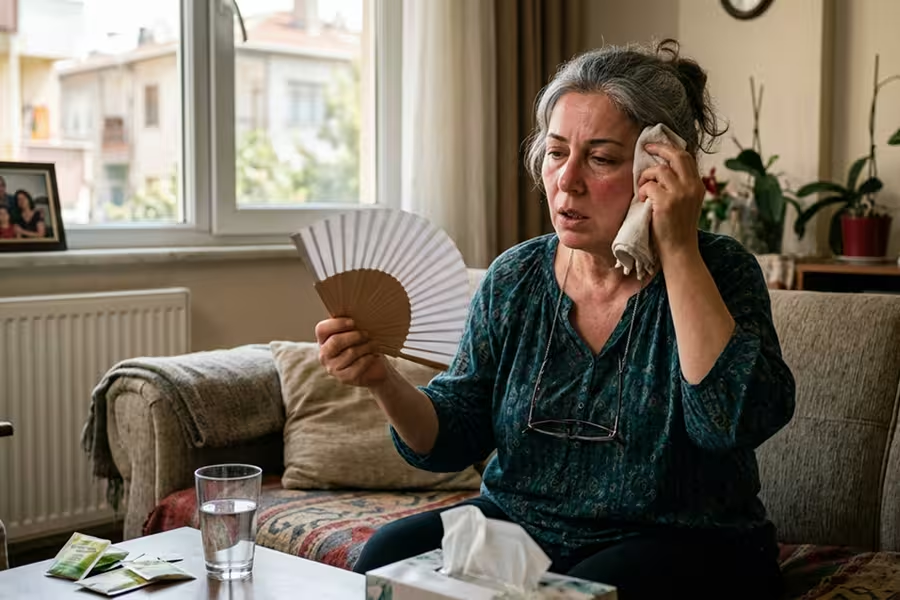
Typically occurring between the ages of 45 and 55, menopause does not progress the same way for every woman. While some experience mild and short-lived symptoms, others may face discomfort that impacts their daily life. Menopause itself is not a disease. However, the hormonal changes that occur during this period can lead to various physical and emotional shifts. Understanding the causes of these symptoms and seeking support from an obstetrician and gynecologist when necessary can help make this transition healthier and more comfortable.
What Are the Most Common Symptoms of Menopause?
Symptoms during menopause are closely linked to changes in estrogen levels. The most frequently encountered symptoms include: • Changes in menstrual patterns • Hot flashes • Night sweats • Difficulty falling or staying asleep • Vaginal dryness • Changes in libido • Mood swings • Difficulty concentrating and forgetfulness • Headaches • Fatigue and decreased energy • Dry skin • Joint and muscle discomfort • Changes in urinary habits. It is not expected for all of these symptoms to occur in the same person. Furthermore, the severity and timing of these symptoms can vary from person to person.
Changes in Menstrual Patterns
As you approach menopause, irregularities in your menstrual cycle may begin. Periods may become more frequent or less frequent, and the amount of bleeding may differ from previous cycles. This transition period is called perimenopause. Having a few irregular periods in a row does not automatically mean you are in menopause. Menopause is defined retrospectively as 12 months without a period, provided there is no other underlying cause. It is particularly important that any bleeding that occurs after a long period of amenorrhea is not attributed solely to menopause and is evaluated by a doctor.
Hot Flashes and Night Sweats
One of the most prominent complaints associated with menopause is hot flashes. A person may suddenly feel an intense wave of heat throughout their body, even when the ambient temperature is normal. This can be accompanied by flushing of the face and neck, sweating, or a feeling of palpitations. Hot flashes and sweating at night can negatively affect sleep quality, which may lead to fatigue, difficulty concentrating, or lethargy during the day.
Sleep Problems
Hormonal changes, night sweats, and mood swings can affect sleep patterns during menopause. Issues such as difficulty falling asleep, frequent waking during the night, or waking up feeling more tired than usual may occur. Persistent sleep problems should not be assumed to be merely a natural consequence of menopause; other factors that could be causing sleep disturbances may also need to be evaluated.
Vaginal Dryness and Changes in Sexual Life
A decrease in estrogen levels can cause thinning and a loss of moisture in vaginal tissues. This can result in dryness, burning, or discomfort during sexual intercourse. These types of complaints are not issues to be ashamed of or ignored. For vaginal symptoms that affect your quality of life, you can consult an obstetrician and gynecologist for information on appropriate treatment options.
Mental and Emotional Changes
During menopause, some women may experience increased irritability, restlessness, anxiety, unhappiness, or emotional sensitivity. In addition to hormonal changes, sleep problems, life circumstances, and other physical symptoms accompanying this period can also affect mental well-being. It is important to seek professional support in cases of significant depression, loss of interest in daily activities, or intense, persistent anxiety.
Changes in Skin, Hair, and Body
With menopause, a decrease in skin moisture and elasticity may occur. The skin may feel drier, and changes in hair texture may be noticeable. Some women may also experience changes in body fat distribution and weight control. Not all of these changes are directly caused by menopause; age, dietary habits, physical activity levels, and various health conditions can also play a role in the changes occurring in the body.
How Long Do Menopause Symptoms Last?
There is no single time frame for the duration of menopause symptoms that applies to everyone. Complaints may subside within a few years, or some symptoms may persist for longer. The intensity of symptoms can also fluctuate during this period. Therefore, rather than evaluating the menopause process solely based on age, one should consider the individual's complaints, general health status, and quality of life together.
When Should You See a Doctor During Menopause?
If menopause symptoms are affecting your daily life, work, sleep, or social relationships, it may be beneficial to consult a healthcare professional. Additionally, any unexpected or unusual bleeding, severe pain, or new and unexplained symptoms must be evaluated by a doctor. It is also important to maintain regular health check-ups during menopause. Your doctor will guide you regarding necessary screenings and check-ups based on your age and health history. You can seek support from the obstetricians and gynecologists at Central Hospital to properly evaluate the changes occurring during menopause and manage the process in a healthy way.
Doctors in our unit
Easily find the doctor who best suits your needs, take a healthy step with expert support.






FAQS
We have put together frequently asked questions so that we can help you better. You can easily find the information you are looking for below
Do you still have something on your mind?
We're here! You can contact us to help you as soon as possible.