

Precautions to Take Against Spinal Injuries in Summer
Summer is a time when activity levels rise, with people enjoying the sea, pools, nature sports, and outdoor activities.


Publication Date:
1/7/2026 2:12 PM
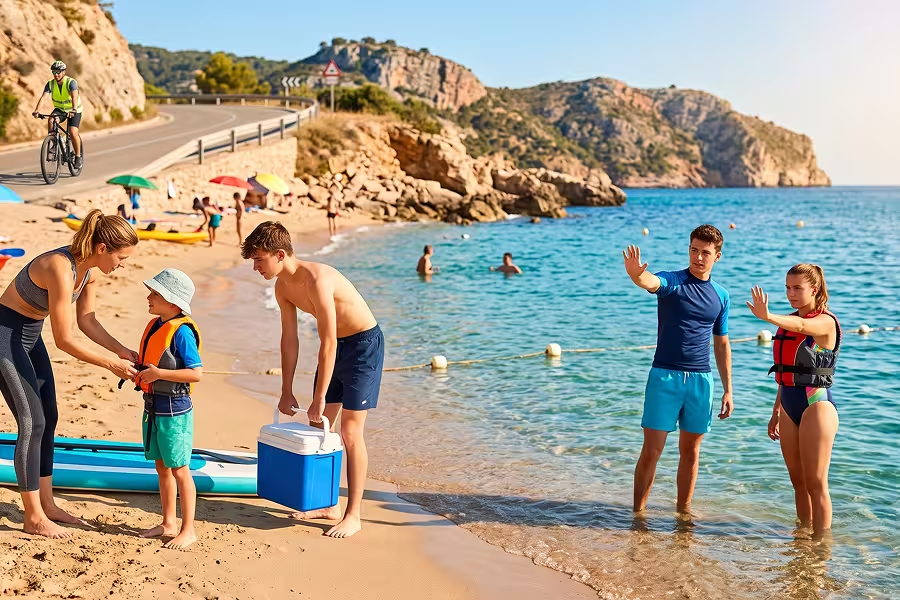
However, carelessness during this time can lead to serious health issues like spinal injuries. Diving headfirst into shallow water, jumping from heights, traffic accidents, bicycle and motorcycle accidents, and extreme sports are among the primary risks to spinal health.
Spinal injuries can vary in severity, from minor muscle and ligament damage to spinal cord injuries. Early intervention and proper precautions can significantly reduce these risks.
Why Do Spinal Injuries Increase During Summer?
The increased time spent outdoors, higher levels of physical activity, and the popularity of water sports during the summer season all contribute to a higher risk of spinal injuries. The most common causes include:
- Diving headfirst into shallow water
- Sea and pool accidents
- Hitting the bottom while diving
- Bicycle, motorcycle, and electric scooter accidents
- Accidents involving ATVs and off-road vehicles
- Falls during camping and nature walks
- Trampoline and water park accidents
- Lifting heavy loads or incorrect exercise techniques
Injuries, particularly those affecting the cervical spine, can lead to permanent neurological damage if the spinal cord is impacted.
Precautions to Take to Prevent Spinal Injuries
1. Do Not Dive Headfirst into Shallow Water
A significant number of the most severe spinal injuries seen during summer result from uncontrolled dives into shallow water. Diving headfirst without confirming the water's depth can lead to cervical spine fractures and spinal cord damage. Always check the depth before entering the water and opt for safe areas.
2. Follow Safety Rules for Water Sports
Always use appropriate safety equipment for activities like jet skiing, water skiing, rafting, canoeing, and similar. Life jackets and protective gear significantly reduce the risk of serious injury.
3. Wear Protective Gear When Cycling and Motorcycling
Helmet use not only helps reduce head traumas but also the impact of indirect blows to the spine during a fall. Protective equipment with knee, elbow, and spine support is especially important during long rides.
4. Don't Skip Your Warm-up Before Exercise
Before activities like swimming, running, tennis, and fitness in the summer months, muscles need to be prepared. Sudden strains occurring without warm-up exercises can cause injuries in the lower back and neck region.
5. Lift Heavy Loads with the Correct Technique
When carrying luggage during vacation or doing garden work, it is recommended to lift loads by supporting from the knees instead of the back. Sudden twisting movements should be avoided.
6. Keep a Close Eye on Children
Water parks, trampolines, and playgrounds are areas where spinal injuries can occur in children. It is important for children to use age-appropriate equipment and be under adult supervision.
What Are the Symptoms of a Spinal Injury?
If any of the following symptoms are observed after trauma, seek medical attention immediately:
- Severe neck or back pain
- Difficulty moving
- Numbness in arms or legs
- Loss of strength
- Loss of balance
- Loss of sensation
- Problems with bladder or bowel control
- Deformity in the neck or back region
These symptoms may indicate a spinal cord injury and require immediate evaluation.
What Should Be the First Aid for Spinal Injuries?
Individuals suspected of having a spinal injury should not be moved as much as possible. Unconsciously trying to make them stand up or carry them can worsen the existing injury.
Things to Consider During First Aid:
- Do not move the injured person unnecessarily.
- Ensure the neck and back remain stable.
- Notify emergency medical teams.
- Try to keep the person in a safe position until professional help arrives.
- If there is loss of consciousness or breathing problems, individuals trained in basic life support should intervene.
The Importance of Early Diagnosis in Spinal Injuries
Early diagnosis in spinal injuries plays a critical role in preventing permanent damage. After a physical examination, X-rays, computed tomography (CT), and magnetic resonance (MR) imaging methods are utilized when necessary.
The treatment plan may vary depending on the location and severity of the injury. Rest, medication, brace applications, physical therapy and rehabilitation, or surgical treatment options are evaluated specifically for each patient.
Protect Your Spinal Health During Summer Vacation
Simple precautions taken during the summer months can prevent a large portion of serious spinal injuries. Choosing safe swimming areas, using protective equipment, exercising consciously, and acting correctly after a potential trauma contribute to the protection of both spinal and general health.
If you experience symptoms such as spinal pain, limited movement after trauma, or numbness, it is important to seek expert evaluation without delay. Early diagnosis and appropriate treatment play a decisive role in maintaining quality of life.
Doctors in our unit
Easily find the doctor who best suits your needs, take a healthy step with expert support.








FAQS
We have put together frequently asked questions so that we can help you better. You can easily find the information you are looking for below
Do you still have something on your mind?
We're here! You can contact us to help you as soon as possible.